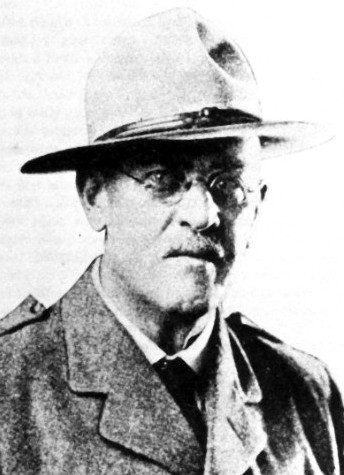
Serving as a soldier in the U.S. Army, Private James Sumner received the Medal of Honor for his actions on October 20, 1869 in Chiricahua Mountains, Arizona Territory during the Indian Campaigns. At the time he was serving with Company G, 1st U.S. Cavalry. Sumner was about 29 years old.
32 other service members also received the Medal of Honor for actions on the same day. The medal was presented on December 20, 1869.
Sumner was born in 1840 in London, England — one of 98 recipients born in England. His Medal of Honor is credited to Chicago, Cook County, Illinois. Sumner died on July 5, 1912 in Ventura, California, at the age of about 72. He is buried at Ventura Cemetery in Ventura, California.
Sumner is one of 426 Medal of Honor recipients from the Indian Campaigns and one of 210 credited to Illinois.
Official Medal of Honor citation
Gallantry in action.
Citation text: U.S. Government, public domain.
How he died
- Manner of death: natural causes
- Cause of death: kidney failure
- Age at death: about 72
- Resting place: Ventura Cemetery
Cause and manner of death: Wikidata.
Battles and campaigns
Also served in: American Indian Wars.
Places
Veteran resources, cemeteries and meeting places in Illinois →
Timeline
- 1840Born in London, England
- October 20, 1869Act of valor — Chiricahua Mountains, Arizona TerritoryAge about 29. Company G, 1st U.S. Cavalry
- December 20, 1869Medal of Honor presented
- July 5, 1912Died in Ventura, CaliforniaAge about 72.
- Resting placeVentura CemeteryVentura, California
Biography
James Sumner (1840 – July 5, 1912) was a United States Army soldier and a recipient of the United States military's highest decoration, the Medal of Honor, for his actions in the Indian Wars of the western United States. An English immigrant, Sumner served as a cavalryman during the Apache Wars of southeastern Arizona Territory. He was awarded the Medal of Honor for advancing through heavy fire in a skirmish against a group of Chiricahua Indians led by Cochise.
From the Wikipedia article “James Sumner (soldier)”, licensed under CC BY-SA 4.0. Read the full article →