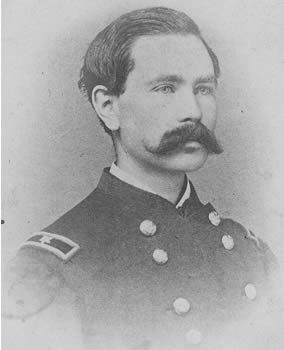
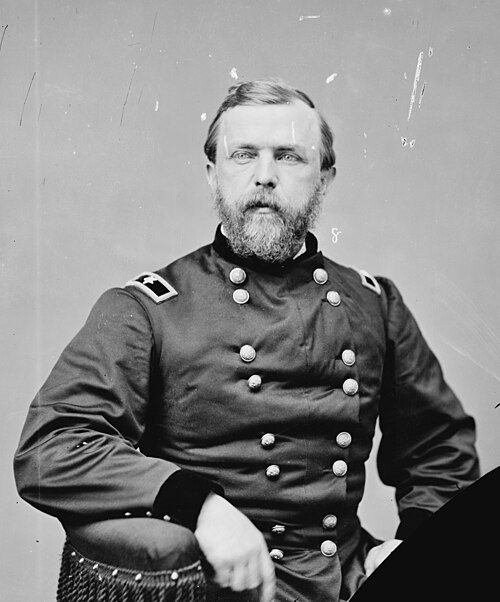
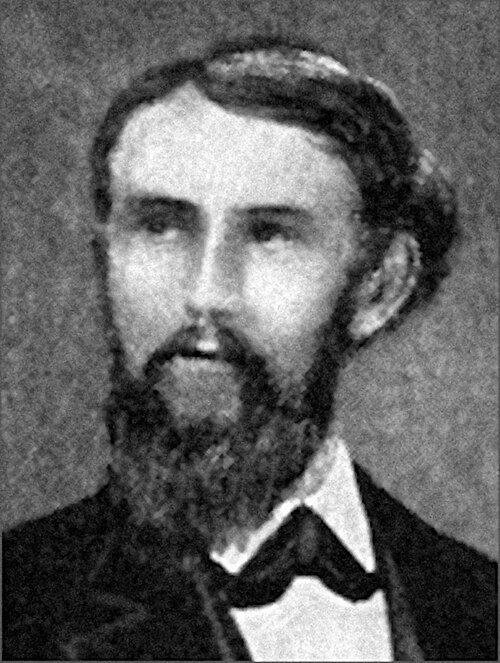
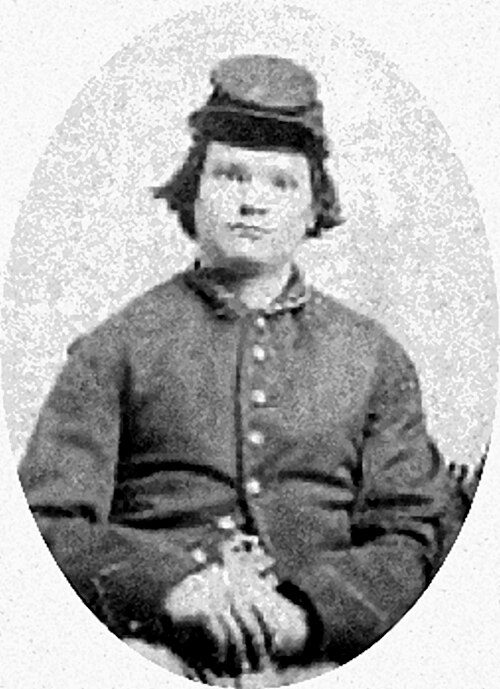
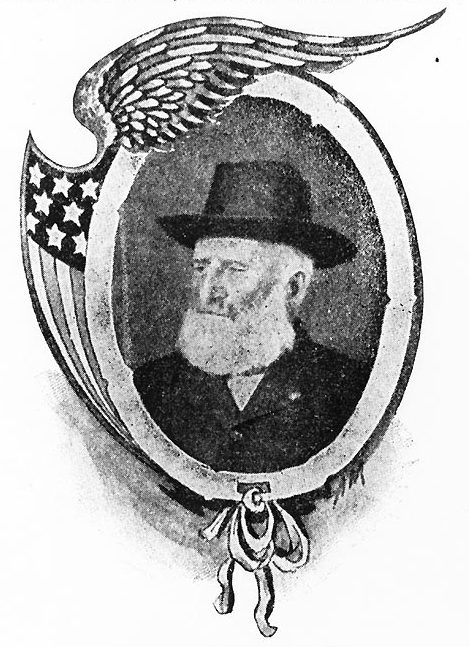
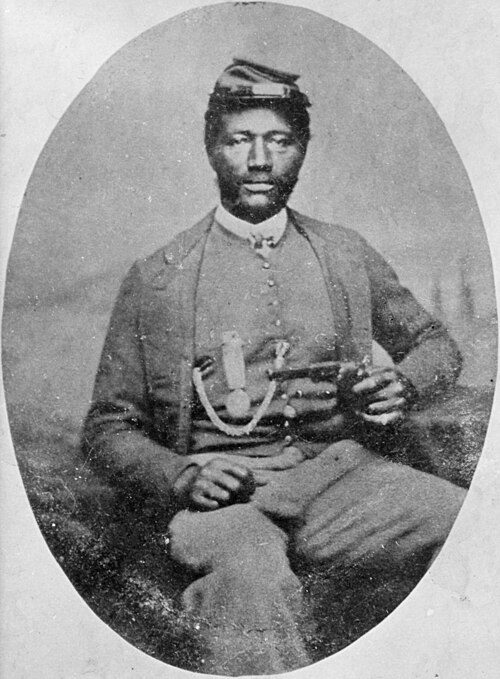
Serving as a soldier in the U.S. Army, First Sergeant William Henry Mathews received the Medal of Honor for his actions on July 30, 1864 in Petersburg, Virginia during the Civil War. At the time he was serving with Company E, 2d Maryland Veteran Infantry. Mathews was 20 years old.
21 other service members also received the Medal of Honor for actions on the same day. The medal was presented on July 10, 1896, 31 years after the action. He later rose to the rank of Captain.
Mathews was born on March 3, 1844 in Devizes, England — one of 98 recipients born in England. His Medal of Honor is credited to Baltimore, Baltimore County, Maryland. Mathews died on February 7, 1928 in Brooklyn, New York, at the age of 83. He is buried at The Green-Wood Cemetery in Brooklyn, New York. Records also list him as Henry Sivel.
Mathews is one of 1,525 Medal of Honor recipients from the Civil War and one of 85 credited to Maryland.
Official Medal of Honor citation
Finding himself among a squad of Confederates, he fired into them, killing one, and was himself wounded, but succeeded in bringing in a sergeant and two men of the 17th South Carolina Regiment (C.S.A.) as prisoners.
Citation text: U.S. Government, public domain.
Places
- Buried: Green-Wood Cemetery — map
Veteran resources, cemeteries and meeting places in Maryland →
From the archives
William H. Mathews served his Civil War military service under the name "Henry Sivel." His Medal of Honor was originally issued under that alias in 1896. Four years later, he petitioned to have his name changed to his legal name of William H. Mathews. The Army issued him a new Medal of Honor with his true name engraved on the back.
His recommendation for the Medal of Honor expands on his valorous actions. Major General John G. Parke wrote that on July 30, 1864, Mathews (then known as Sivel) "when the regiment reached the Crater in a charge, Sergeant Swivel avoided the crater, going around the north side of it, and jumped over the breastworks, calling to his men to follow. Finding himself among a squad of rebels, he fired into them, killing one, and was himself wounded in the left hand but finally succeeded in bringing in a sergeant and two men, of the 17th S.C., as prisoners."
After the war, he became a Methodist minister and served in upper New York State and Kansas. His last job was head of a boy's home in Manhattan, New York.
Timeline
- March 3, 1844Born in Devizes, England
- July 30, 1864Act of valor — Petersburg, VirginiaAge 20. Company E, 2d Maryland Veteran Infantry
- July 10, 1896Medal of Honor presented
- February 7, 1928Died in Brooklyn, New YorkAge 83.
- Resting placeThe Green-Wood CemeteryBrooklyn, New York
Biography
William Mathews (1844–1928) was an American soldier who fought in the American Civil War. Mathews enlisted in 1861 at age 17 in Baltimore, Maryland, under the name Henry Sivel. He served during the Civil War in Company E, 2nd Maryland Volunteer Infantry, rising from private to commander of Company E. He was promoted to sergeant on May 15, 1863, and to first sergeant on June 22, 1863. On January 1, 1864, he reenlisted as a veteran volunteer, retaining his first sergeant rank. He was commissioned as a first police lieutenant October 24, 1864, and a captain June 27, 1865. He was wounded twice, and captured once but quickly paroled. He mustered out of service on July 17, 1865.
From the Wikipedia article “William H. Mathews (soldier)”, licensed under CC BY-SA 4.0. Read the full article →