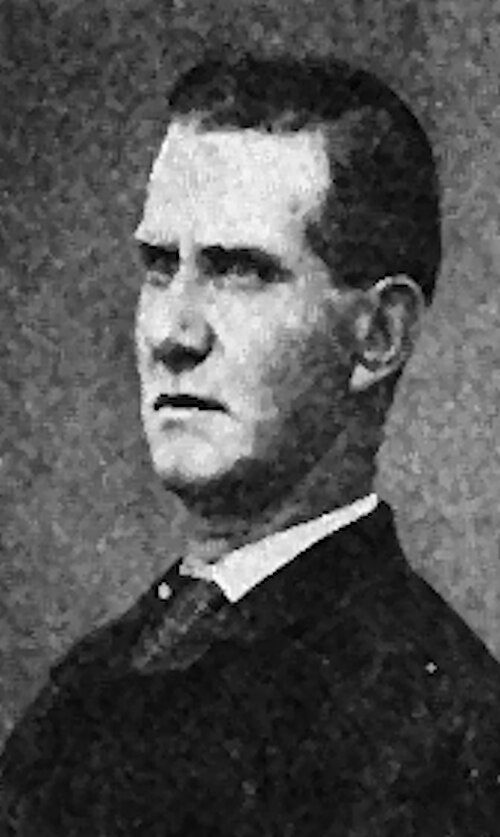
Landsman William Williams, a sailor in the U.S. Navy, received the Medal of Honor for gallantry on November 16, 1863 at Charleston Harbor, South Carolina during the Civil War. At the time he was serving with U.S.S. Lehigh (true ship U.S.S. Nahant). Williams was about 23 years old.
7 other service members also received the Medal of Honor for actions on the same day.
Williams was born in 1840 in Ireland — one of 258 recipients born in Ireland. His Medal of Honor is credited to Pennsylvania. Williams died on May 5, 1893 in Philadelphia, Pennsylvania, at the age of about 53. He is buried at Mount Moriah Naval Asylum Plot in Philadelphia, Pennsylvania.
Williams is one of 1,525 Medal of Honor recipients from the Civil War and one of 380 credited to Pennsylvania.
Official Medal of Honor citation
On board the U.S.S. Lehigh, Charleston Harbor, 16 November 1863, during the hazardous task of freeing the Lehigh, which had been grounded, and was under heavy enemy fire from Fort Moultrie. After several previous attempts had been made, Williams succeeded in passing in a small boat from the Lehigh to the Nahant with a line bent on a hawser. This courageous action while under severe enemy fire enabled the Lehigh to be freed from her helpless position.
Citation text: U.S. Government, public domain.
Battles and campaigns
Also served in: American Civil War.
Places
Veteran resources, cemeteries and meeting places in Pennsylvania →
Timeline
- 1840Born in Ireland
- November 16, 1863Act of valor — Charleston Harbor, South CarolinaAge about 23. U.S.S. Lehigh (true ship U.S.S. Nahant)
- May 5, 1893Died in Philadelphia, PennsylvaniaAge about 53.
- Resting placeMount Moriah Naval Asylum PlotPhiladelphia, Pennsylvania
Biography
William Williams (1840 – May 5, 1893) was a Union Navy sailor in the American Civil War and a recipient of the U.S. military's highest decoration, the Medal of Honor, for helping to free his grounded ship.
From the Wikipedia article “William Williams (Medal of Honor)”, licensed under CC BY-SA 4.0. Read the full article →