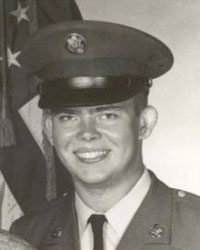
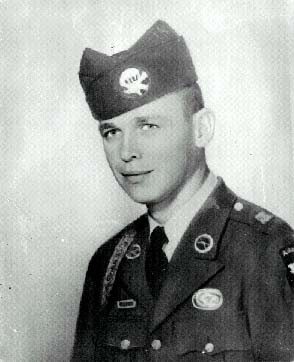
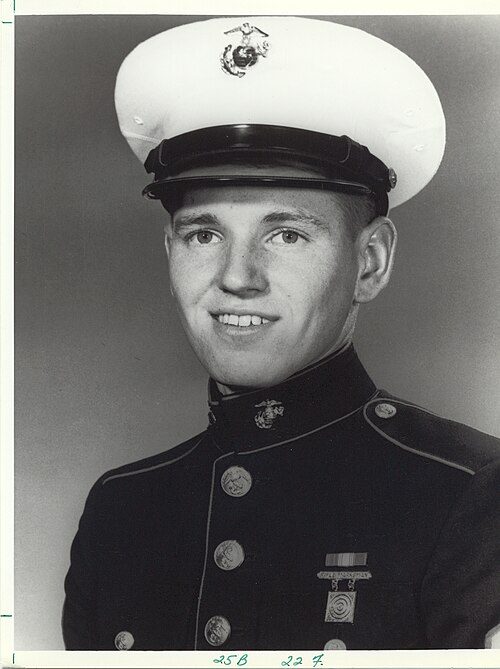
Staff Sergeant Joe Ronnie Hooper, a soldier in the U.S. Army, received the Medal of Honor for gallantry on February 21, 1968 near Hue, Republic of Vietnam during the Vietnam War. At the time he was serving with Company A, 1st Battalion (Airborne), 506th Infantry, 101st Airborne Division (Airmobile). Hooper was 29 years old.
One other service member also received the Medal of Honor for actions on the same day. The medal was presented on March 7, 1969.
Hooper was born on August 8, 1938 in Piedmont, Greenville County, South Carolina. His Medal of Honor is credited to Los Angeles, Los Angeles County, California. Hooper died on May 6, 1979 in Louisville, Kentucky, at the age of 40. He is buried at Arlington National Cemetery in Arlington, Virginia.
Hooper is one of 274 Medal of Honor recipients from the Vietnam War and one of 142 credited to California.
Official Medal of Honor citation
For conspicuous gallantry and intrepidity in action at the risk of his life above and beyond the call of duty. S/Sgt. (then Sgt.) Hooper, U.S. Army, distinguished himself while serving as squad leader with Company D. Company D was assaulting a heavily defended enemy position along a river bank when it encountered a withering hail of fire from rockets, machine guns, and automatic weapons. S/Sgt. Hooper rallied several men and stormed across the river, overrunning several bunkers on the opposite shore. Thus inspired, the rest of the company moved to the attack. With utter disregard for his own safety, he moved out under the intense fire again and pulled back the wounded, moving them to safety. During this act S/Sgt. Hooper was seriously wounded, but he refused medical aid and returned to his men. With the relentless enemy fire disrupting the attack, he single-handedly stormed three enemy bunkers, destroying them with hand grenades and rifle fire, and shot two enemy soldiers who had attacked and wounded the chaplain. Leading his men forward in a sweep of the area, S/Sgt. Hooper destroyed three buildings housing enemy riflemen. At this point he was attacked by a North Vietnamese officer whom he fatally wounded with his bayonet. Finding his men under heavy fire from a house to the front, he proceeded alone to the building, killing its occupants with rifle fire and grenades. By now his initial body wound had been compounded by grenade fragments, yet despite the multiple wounds and loss of blood, he continued to lead his men against the intense enemy fire. As his squad reached the final line of enemy resistance, it received devastating fire from four bunkers in line on its left flank. S/Sgt. Hooper gathered several hand grenades and raced down a small trench which ran the length of the bunker line, tossing grenades into each bunker as he passed by, killing all but two of the occupants. With these positions destroyed, he concentrated on the last bunkers facing his men, destroying the first with an incendiary grenade and neutralizing two more by rifle fire. He then raced across an open field, still under enemy fire, to rescue a wounded man who was trapped in a trench. Upon reaching the man, he was faced by an armed enemy soldier whom he killed with a pistol. Moving his comrade to safety and returning to his men, he neutralized the final pocket of enemy resistance by fatally wounding three North Vietnamese officers with rifle fire. S/Sgt. Hooper then established a final line and reorganized his men, not accepting treatment until this was accomplished and not consenting to evacuation until the following morning. His supreme valor, inspiring leadership, and heroic self-sacrifice were directly responsible for the company's success and provided a lasting example in personal courage for every man on the field. S/Sgt. Hooper's actions were in keeping with the highest traditions of the military service and reflect great credit upon himself and the U.S. Army.
Citation text: U.S. Government, public domain.
Wounds and injuries
What the citation records about his wounds:
During this act S/Sgt. Hooper was seriously wounded, but he refused medical aid and returned to his men.
At this point he was attacked by a North Vietnamese officer whom he fatally wounded with his bayonet.
By now his initial body wound had been compounded by grenade fragments, yet despite the multiple wounds and loss of blood, he continued to lead his men against the intense enemy fire.
- Age at death: 40
- Resting place: Arlington National Cemetery
Other decorations and honors
Besides the Medal of Honor, Joe Ronnie Hooper received:
Source: Wikidata. Gold chips link to our guide to that decoration.
Battles and campaigns
Also served in: Vietnam War.
Life beyond the battlefield
- Education: Moses Lake High School
Source: Wikidata.
Places
Veteran resources, cemeteries and meeting places in California →
Timeline
- August 8, 1938Born in Piedmont, Greenville County, South Carolina
- February 21, 1968Act of valor — near Hue, Republic of VietnamAge 29. Company A, 1st Battalion (Airborne), 506th Infantry, 101st Airborne Division (Airmobile)
- March 7, 1969Medal of Honor presented
- May 6, 1979Died in Louisville, KentuckyAge 40.
- Resting placeArlington National CemeteryArlington, Virginia
Biography
Joe Ronnie Hooper (August 8, 1938 – May 6, 1979) was an American who served in both the United States Navy and United States Army where he finished his career as a captain. He earned the Medal of Honor while serving as an army sergeant on February 21, 1968, during the Vietnam War. He was one of the most decorated U.S. soldiers of the war and was wounded in action eight times.
From the Wikipedia article “Joe Hooper (Medal of Honor)”, licensed under CC BY-SA 4.0. Read the full article →