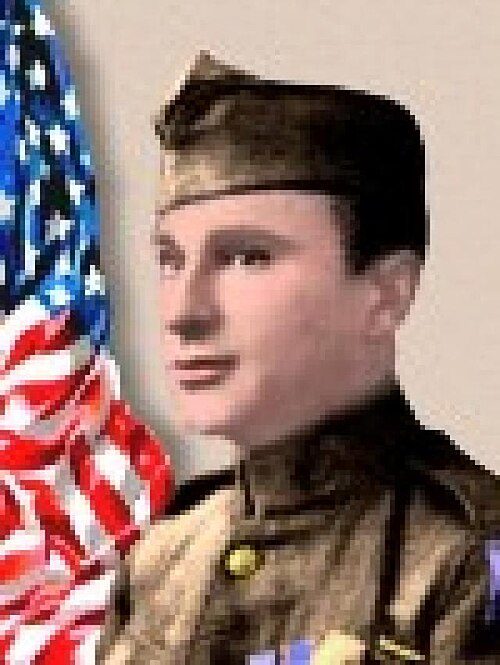
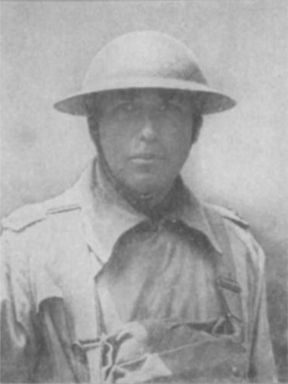
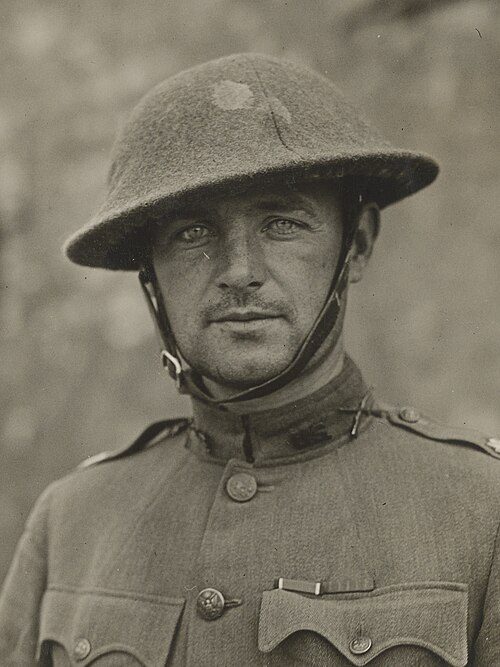
Serving as a soldier in the U.S. Army, Private Henry Johnson was awarded the Medal of Honor posthumously for his actions on May 15, 1918 in NW St. Menehoul, Argonne Forest, France during World War I. At the time he was serving with Company C, 369th Infantry Regiment, 93d Infantry Division, American Expeditionary Forces. Johnson was 25 years old.
The medal was presented on June 2, 2015, 97 years after the action — presented by President Barack Obama at the White House.
Johnson was born on July 15, 1892 in Winston Salem, Forsyth County, North Carolina. His Medal of Honor is credited to Albany, Albany County, New York. Johnson died on July 1, 1929 in New Lenox, Illinois, at the age of 36. He is buried at Arlington National Cemetery in Arlington, Virginia. His medal is held by War Room, New York State Capitol, Albany, NY. Records also list him as Johnson, William Henry.
Johnson is one of 132 Medal of Honor recipients from World War I and one of 678 credited to New York.
Official Medal of Honor citation
Private Henry Johnson distinguished himself by extraordinary acts of heroism at the risk of his life above and beyond the call of duty while serving as a member of Company C, 369th Infantry Regiment, 93d Infantry Division, American Expeditionary Forces on May 15, 1918, during combat operations against the enemy on the front lines of the Western Front in France. In the early morning hours, Private Johnson and another soldier were on sentry duty at a forward outpost when they received a surprise attack from a German raiding party consisting of at least 12 soldiers. While under intense enemy fire and despite receiving significant wounds, Private Johnson mounted a brave retaliation, resulting in several enemy casualties. When his fellow soldier was badly wounded and being carried away by the enemy, Private Johnson exposed himself to grave danger by advancing from his position to engage the two enemy captors in hand-to-hand combat. Wielding only a knife and gravely wounded himself, Private Johnson continued fighting, defeating the two captors and rescuing the wounded soldier. Displaying great courage, he continued to hold back the larger enemy force until the defeated enemy retreated leaving behind a large cache of weapons and equipment and providing valuable intelligence. Without Private Johnson's quick actions and continued fighting, even in the face of almost certain death, the enemy might have succeeded in capturing prisoners and the outpost, without abandoning valuable intelligence. Private Johnson's extraordinary heroism and selflessness above and beyond the call of duty are in keeping with the highest traditions of the military service and reflect great credit upon himself, Company C, 369th Infantry Regiment, 93d Infantry Division and the United States Army.
Citation text: U.S. Government, public domain.
Wounds and injuries
What the citation records about his wounds:
While under intense enemy fire and despite receiving significant wounds, Private Johnson mounted a brave retaliation, resulting in several enemy casualties.
- Awarded posthumously — died July 1, 1929.
- Manner of death: natural causes
- Cause of death: myocarditis
- Age at death: 36
- Resting place: Arlington National Cemetery
Cause and manner of death: Wikidata.
Other decorations and honors
Besides the Medal of Honor, Henry Johnson received:
Source: Wikidata. Gold chips link to our guide to that decoration.
Battles and campaigns
Also served in: World War I.
Places
Veteran resources, cemeteries and meeting places in New York →
From the archives
Henry Johnson was born as William Henry Johnson. Apparently, he went by his middle name, because when he enlisted in the U.S. Army, he gave his name as "Henry Johnson." Thus, he is born on the Medal of Honor Rolls by that name.
Timeline
- July 15, 1892Born in Winston Salem, Forsyth County, North Carolina
- May 15, 1918Act of valor — NW St. Menehoul, Argonne Forest, FranceAge 25. Company C, 369th Infantry Regiment, 93d Infantry Division, American Expeditionary Forces
- July 1, 1929Died in New Lenox, IllinoisAge 36.
- June 2, 2015Medal of Honor presented posthumouslyPresented by President Barack Obama at the White House
- Resting placeArlington National CemeteryArlington, Virginia
Biography
William Henry Johnson (circa July 15, 1892 – July 1, 1929), commonly known as Henry Johnson, was a United States Army soldier who performed heroically in the first African American unit of the United States Army to engage in combat in World War I. On watch in the Argonne Forest on May 14, 1918, he fought off a German raid in hand-to-hand combat, killing multiple German soldiers and rescuing a fellow soldier while suffering 21 wounds, in an action that was brought to the nation's attention by coverage in the New York World and The Saturday Evening Post later that year. On June 2, 2015, he was posthumously awarded the Medal of Honor by President Barack Obama in a ceremony at the White House.
From the Wikipedia article “Henry Johnson (World War I soldier)”, licensed under CC BY-SA 4.0. Read the full article →
Named in his honor
- Fort Polk — fort, military base
Videos
Videos load from Vimeo only after you press play.
Further reading
- Fort Polk Renamed in Honor of MOH Recipient William Henry Johnsoncnn.com · 2023
- Sgt. Henry Johnson recognized with mural at NY National Guard training sitedvidshub.net · 2021
- Medal of Honor recipient Army Sgt. Henry Johnsonaerotechnews.com · 2021