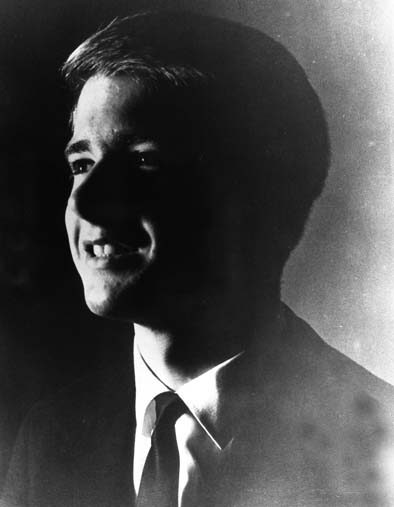
Lieutenant Colonel Charles Calvin Rogers, a soldier in the U.S. Army, received the Medal of Honor for gallantry on November 1, 1968 in Fishhook near Cambodian border, Republic of Vietnam during the Vietnam War. At the time he was serving with 1st Battalion, 5th Artillery, 1st Infantry Division. Rogers was 39 years old.
The medal was presented on May 14, 1970. He later rose to the rank of Major General.
Rogers was born on September 6, 1929 in Claremont, Fayette County, West Virginia. His Medal of Honor is credited to Institute, Kanawha County, West Virginia. Rogers died on September 21, 1990 in Munich, Germany, at the age of 61. He is buried at Arlington National Cemetery in Arlington, Virginia.
Rogers is one of 274 Medal of Honor recipients from the Vietnam War and one of 45 credited to West Virginia.
Official Medal of Honor citation
For conspicuous gallantry and intrepidity in action at the risk of his life above and beyond the call of duty. Lt. Col. Rogers, Field Artillery, distinguished himself in action while serving as commanding officer, 1st Battalion, during the defense of a forward fire support base. In the early morning hours, the fire support base was subjected to a concentrated bombardment of heavy mortar, rocket, and rocket-propelled grenade fire. Simultaneously the position was struck by a human wave ground assault, led by sappers who breached the defensive barriers with bangalore torpedoes and penetrated the defensive perimeter. Lt. Col. Rogers with complete disregard for his safety moved through the hail of fragments from bursting enemy rounds to the embattled area. He aggressively rallied the dazed artillery crewmen to man their howitzers and he directed their fire on the assaulting enemy. Although knocked to the ground and wounded by an exploding round, Lt. Col. Rogers sprang to his feet and led a small counterattack force against an enemy element that had penetrated the howitzer position. Although painfully wounded a second time during the assault, Lt. Col. Rogers pressed the attack killing several of the enemy and driving the remainder from their positions. Refusing medical treatment, Lt. Col. Rogers reestablished and reinforced the defensive positions. As a second human wave attack was launched against another sector of the perimeter, Lt. Col. Rogers directed artillery fire on the assaulting enemy and led a second counterattack against the charging forces. His valorous example rallied the beleaguered defenders to repulse and defeat the enemy onslaught. Lt. Col. Rogers moved from position to position through the heavy enemy fire, giving encouragement and direction to his men. At dawn the determined enemy launched a third assault against the fire base in an attempt to overrun the position. Lt. Col. Rogers moved to the threatened area and directed lethal fire on the enemy forces. Seeing a howitzer inoperative due to casualties, Lt. Col. Rogers joined the surviving members of the crew to return the howitzer to action. While directing the position defense, Lt. Col. Rogers was seriously wounded by fragments from a heavy mortar round which exploded on the parapet of the gun position. Although too severely wounded to physically lead the defenders, Lt. Col. Rogers continued to give encouragement and direction to his men in the defeating and repelling of the enemy attack. Lt. Col. Rogers' dauntless courage and heroism inspired the defenders of the fire support base to the heights of valor to defeat a determined and numerically superior enemy force. His relentless spirit of aggressiveness in action are in the highest traditions of the military service and reflect great credit upon himself, his unit, and the U.S. Army.
Citation text: U.S. Government, public domain.
Wounds and injuries
What the citation records about his wounds:
Although painfully wounded a second time during the assault, Lt. Col. Rogers pressed the attack killing several of the enemy and driving the remainder from their positions.
While directing the position defense, Lt. Col. Rogers was seriously wounded by fragments from a heavy mortar round which exploded on the parapet of the gun position.
Although too severely wounded to physically lead the defenders, Lt. Col. Rogers continued to give encouragement and direction to his men in the defeating and repelling of the enemy attack.
- Manner of death: natural causes
- Cause of death: prostate cancer
- Age at death: 61
- Resting place: Arlington National Cemetery
Cause and manner of death: Wikidata.
Other decorations and honors
Besides the Medal of Honor, Charles Calvin Rogers received:
Source: Wikidata. Gold chips link to our guide to that decoration.
Battles and campaigns
Also served in: Korean War, Vietnam War.
Life beyond the battlefield
- Education: West Virginia State University
Source: Wikidata.
Places
Veteran resources, cemeteries and meeting places in West Virginia →
Timeline
- September 6, 1929Born in Claremont, Fayette County, West Virginia
- November 1, 1968Act of valor — Fishhook near Cambodian border, Republic of VietnamAge 39. 1st Battalion, 5th Artillery, 1st Infantry Division
- May 14, 1970Medal of Honor presented
- September 21, 1990Died in Munich, GermanyAge 61.
- Resting placeArlington National CemeteryArlington, Virginia
Biography
Charles Calvin Rogers (September 6, 1929 – September 21, 1990) was a recipient of the highest military decoration in the United States, the Medal of Honor, for his actions during the Vietnam War. A lieutenant colonel at the time, he became the highest-ranking Black soldier in the U.S. military to receive this honor. A career officer who entered the service as a second lieutenant commissioned by ROTC when the military was still racially segregated, he retired after 32 years in the United States Army with the rank of major general.
From the Wikipedia article “Charles Calvin Rogers”, licensed under CC BY-SA 4.0. Read the full article →