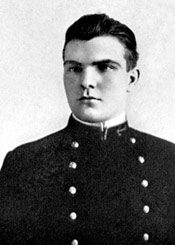
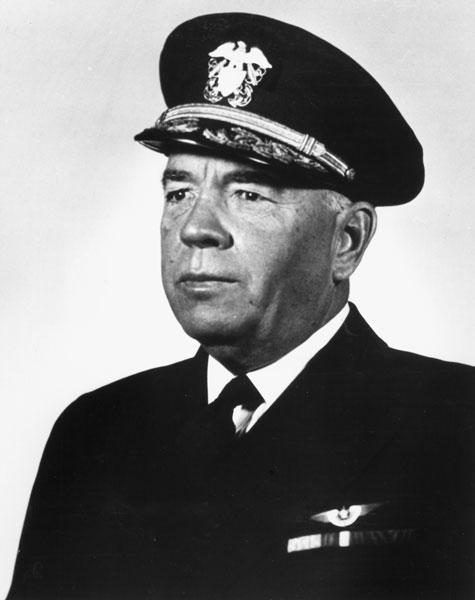
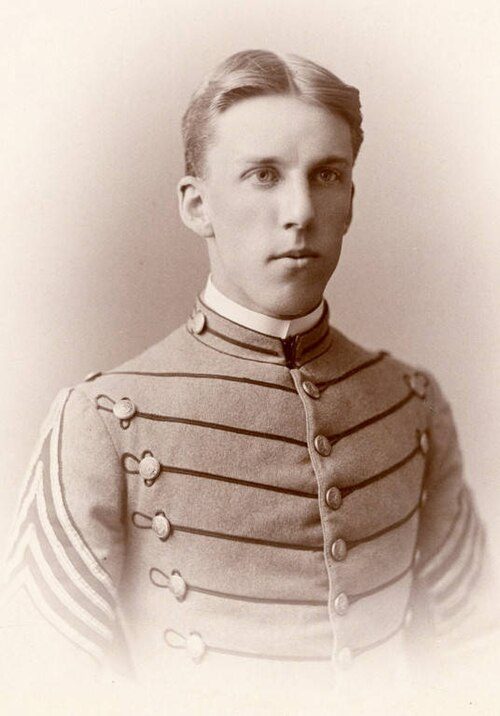
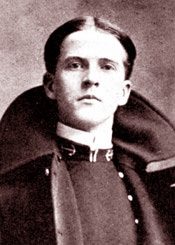
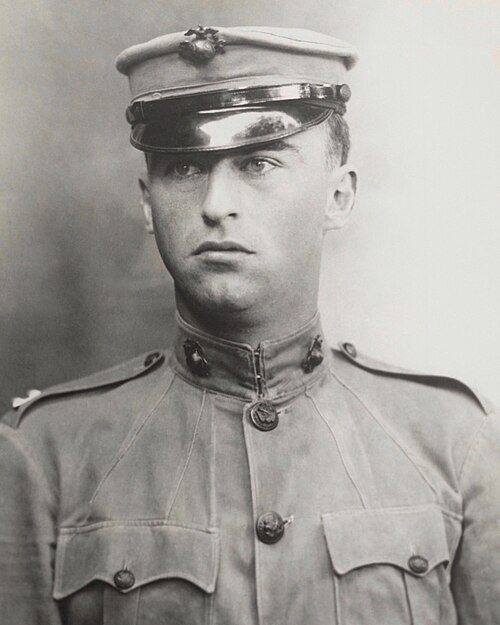
Lieutenant Charles Conway Hartigan was a sailor in the U.S. Navy who received the Medal of Honor for his actions on April 22, 1914 in Vera Cruz, Mexico during the 1914 Veracruz expedition. Hartigan was 31 years old.
13 other service members also received the Medal of Honor for actions on the same day. He later rose to the rank of Rear Admiral.
Hartigan was born on September 13, 1882 in Middletown, Orange County, New York. His Medal of Honor is credited to Norwich, Chenango County, New York. Hartigan died on February 25, 1944 in Palo Alto, California, at the age of 61. He is buried at Arlington National Cemetery in Arlington, Virginia.
Hartigan is one of 56 Medal of Honor recipients from the 1914 Veracruz expedition and one of 678 credited to New York.
Official Medal of Honor citation
For distinguished conduct in battle, engagement of Vera Cruz, 22 April 1914. During the second day's fighting the service performed by him was eminent and conspicuous. He was conspicuous for the skillful handling of his company under heavy rifle and machine-gun fire, for which conduct he was commended by his battalion commander.
Citation text: U.S. Government, public domain.
Life beyond the battlefield
- Education: United States Naval Academy, Naval War College
Source: Wikidata.
Places
Veteran resources, cemeteries and meeting places in New York →
Timeline
- September 13, 1882Born in Middletown, Orange County, New York
- April 22, 1914Act of valor — Vera Cruz, MexicoAge 31.
- February 25, 1944Died in Palo Alto, CaliforniaAge 61.
- Resting placeArlington National CemeteryArlington, Virginia
Biography
Charles Conway Hartigan (September 13, 1882 – February 25, 1944) was born in Middletown, New York and died in Palo Alto, California. He graduated from the United States Naval Academy in 1906. He received the Medal of Honor for actions at the United States occupation of Veracruz. He was a veteran of World War I and commanded the ill-fated USS Oklahoma (BB-37) from 1937 to 1939.
From the Wikipedia article “Charles Conway Hartigan”, licensed under CC BY-SA 4.0. Read the full article →